After the Haboob: What Monsoon Storms Do to Valley AC Systems.
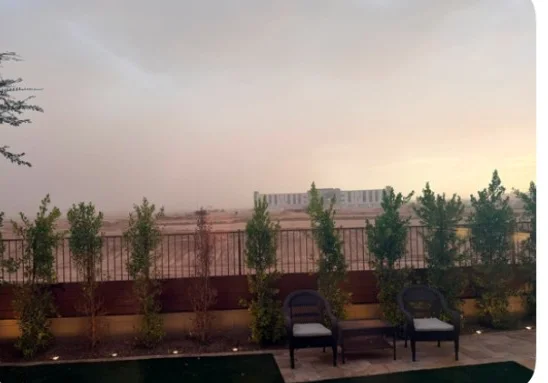
Phoenix monsoon storms hit air conditioners three ways at once: a wall of fine dust that mats the outdoor coil and chokes the filter, power flickers and surges that take out capacitors and boards, and a humidity spike that multiplies condensate and floods marginal drain lines. If your AC struggles in the days after a haboob, it's not a coincidence — here's the post-storm checklist.
Ranked by Likelihood
Ordered by what we actually find on Valley service calls — start at the top.
What's most likely causing it
Dust-matted outdoor coil
Safe to check yourselfHaboob dust cakes onto condenser fins, insulating exactly the surface that's supposed to reject heat. Capacity drops, head pressure climbs, and the system runs hot until it trips or fails. The #1 post-storm issue.
Surge-killed capacitor or board
Stop and callStorm power flickers are capacitor killers. If the AC never restarted after the storm — or the outdoor unit hums without starting — a surge likely took the capacitor or control board.
Overwhelmed condensate drain
Schedule service soonMonsoon humidity multiplies the water your system pulls per hour. Dust-fed algae plugs meet peak condensate: float switches trip and pans overflow in the same week, every year.
Debris strikes
Stop and callBranches and gravel thrown into the condenser bend fins and can nick refrigerant lines. Visible damage plus any hissing = shut it down and call.
Safe checks before you spend a dollar
- System OFF, then gently rinse the outdoor coil with a garden hose (never a pressure washer) — top-down, from a distance
- Replace the filter — post-haboob filters clog in days, not weeks
- Check the breaker once; if it re-trips, stop
- Look for visible debris in/around the condenser before restarting
- Listen at restart: humming/clicking without the fan spinning = capacitor; leave it off
When it's time to call
- The system won't restart after the storm (surge damage)
- Ice, breaker re-trips, or hissing after debris
- Water at the air handler during humidity spikes
- You want the post-storm inspection done for you — ChampionCare visits cover coil, drain, and electrical checks
The part of the haboob you keep breathing after the sky clears
The dust wall passes in minutes; the dust doesn't. It settles into your duct runs, mats your filter, and — in homes with return-side duct leaks — keeps getting pulled in from the attic for weeks. Monsoon season runs mid-July through late August, which means Valley homes spend six straight weeks re-breathing whatever the storms delivered.
That's why monsoon season is when indoor air quality stops being abstract here: better filtration catches what a builder-grade one-inch filter can't, sealed ducts stop the attic-dust recirculation at the source, and a post-season duct cleaning clears out what the summer left behind.
Interactive
Answer three questions and get an honest read: likely cause, urgency, and the right next step.
Not sure which one you have?
60-Second Triage
What's your AC doing?
Straight Answers
Common questions
Answered by Valley technicians
Still not fixed? We answer 24/7.
$89 diagnostic, waived with completed repair — $0 for ChampionCare members. Flat-rate quote in writing before any work starts.