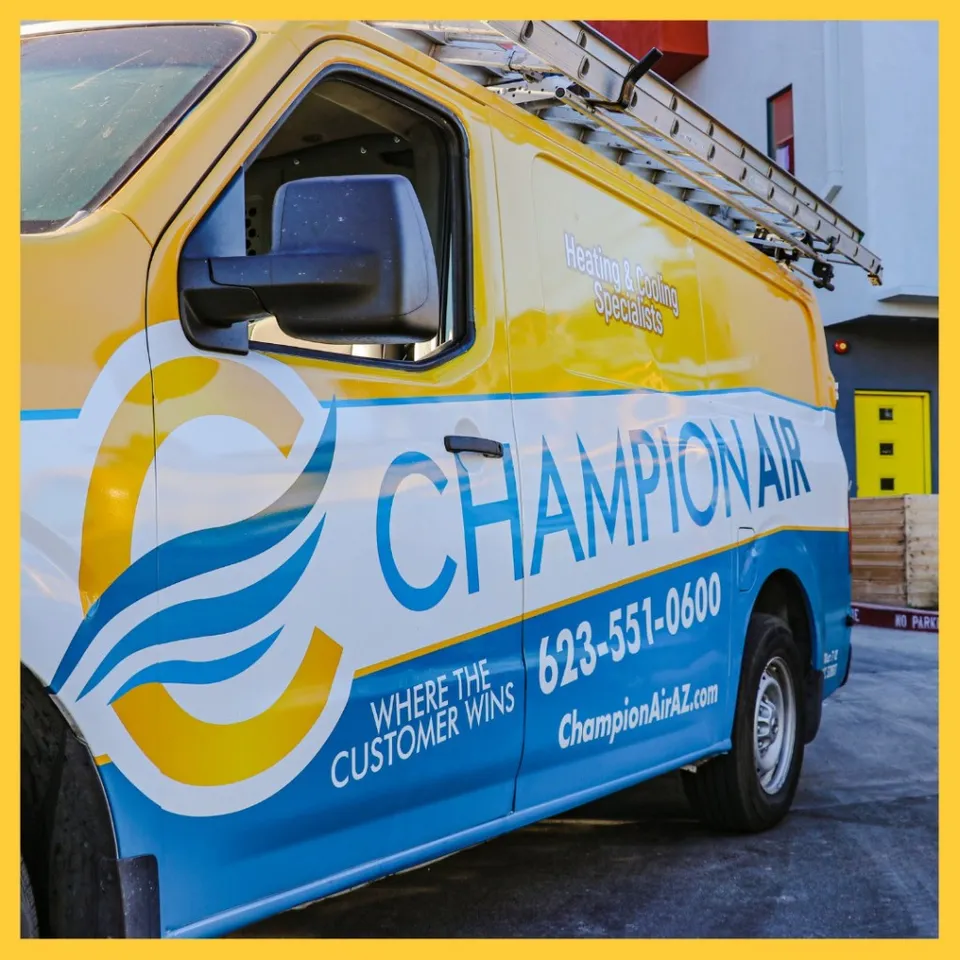
Furnace Installation & Replacement in Chandler, AZ
Professional HVAC service from Champion Air.
4.9★
Google Rating
1,000+
Reviews
Since 1982
Family owned
Dave Lennox
Award winner
24/7
Emergency service
Get Your AC Fixed Today
Same-day response · Transparent pricing · No pressure
- BBB A+ Rated
- Dave Lennox Award
- Licensed & Insured
- No Overtime Charges
- Pearl Certified
Signs It Is Time for a New Heating System
That intense, dusty burning smell when the heat kicks on, shockingly high gas bills after just a few surprisingly cold nights, and rooms that refuse to warm up evenly—these are clear signs your heating system is struggling. When your home's comfort and safety are compromised by an aging unit that can barely keep up with the thermostat, ignoring the problem will only lead to a complete breakdown. Champion Air is ready to evaluate your equipment and provide a reliable, high-efficiency solution.
Key Indicators That a Furnace Replacement is Necessary
Your Winter Utility Bills Are Climbing
You might notice your gas or electric bill spiking dramatically during the colder months, even if you haven't changed your thermostat habits. The cost to heat your home suddenly seems entirely unreasonable for the short amount of time you actually run the system. This sudden jump in operating costs is one of the most reliable indicators of a failing unit.
This is a classic sign of declining efficiency and mechanical wear. As internal components degrade over time, the system has to run longer and harder to produce the same amount of heat. It burns through significantly more fuel just to maintain a basic temperature, driving up your monthly energy bills.
Ignoring this efficiency loss means you are essentially paying the price of a new system through wasted energy costs. You end up spending premium money to operate outdated equipment without enjoying any of the comfort or reliability benefits of a modern setup.
The System Makes Loud or Unusual Noises
When your heat turns on, you might hear loud banging, popping, rattling, or a high-pitched squealing that was never there before. These noises are highly disruptive and suggest something is mechanically wrong inside the cabinet. Systems that have sat completely dormant for most of the year are especially prone to these sudden auditory warnings.
These sounds point to serious mechanical issues that require immediate attention. A loud bang when the system turns on often points to delayed ignition, where gas builds up before finally catching a spark. Rattling can mean loose internal components or a failing blower motor, while high-pitched squealing usually indicates worn-out bearings that are grinding together.
These are not just minor annoyances you can learn to live with. They are warnings of imminent part failure that will eventually stop the system from running entirely. A failing motor or blower assembly can easily lead to a complete breakdown, leaving you with a freezing house in the middle of the night.
Frequent and Expensive Repairs
You might find yourself calling for a technician every single winter just to keep the warm air flowing. You have likely already paid for one or two significant repairs in the last couple of years, and now yet another component has failed. This cycle of constant patching is incredibly frustrating and drains your household budget.
This is a technical red flag we refer to as excessive repair frequency. Once equipment—especially anything over 15 years old—starts a pattern of breaking down, it is almost always more cost-effective to replace the entire unit. Continuing to sink money into an unreliable, aging machine is a losing battle against mechanical fatigue.
Continuing with repairs on an obsolete system is a poor long-term investment. The money spent on constant fixes could easily serve as a down payment on a new, highly reliable system that comes with full warranty protection. If you are facing another expensive call for Furnace Repair & Service, it is time to seriously compare that repair quote against the cost of a full replacement.
The Burner Flame is Yellow Instead of Blue
If you look inside the cabinet of your gas unit while it is running, you should always see a crisp, steady blue flame. If you notice the flame is flickering, weak, or burning yellow and orange, you have a severe combustion problem. This is a visual warning that you should never ignore.
A yellow flame means the system is not burning fuel cleanly or completely. This can occasionally be caused by excessively dirty burners, but it is frequently a symptom of a cracked heat exchanger altering the oxygen mix. When fuel does not combust properly, it creates a highly hazardous situation inside the cabinet.
Improper combustion leads directly to the production of carbon monoxide, a colorless, odorless gas that is highly toxic. If this gas escapes into your living space instead of venting outside, it puts everyone in the house at risk. This is a critical safety failure that requires an immediate professional assessment and usually necessitates a full system replacement.
What Causes a Heating System to Fail Completely
Reaching the End of Its Natural Lifespan
Most residential gas heating systems are engineered to last between 15 and 20 years under normal operating conditions. Because of the massive housing boom across Chandler in the 1990s and early 2000s, a huge percentage of local homes are still running their original builder-grade equipment. These units are now operating on borrowed time and are well past their expected mechanical lifespan.
Years of operation take a heavy toll on the moving parts and ignition systems. This wear is compounded by the fact that these units sit completely idle in hot garages or stuffy interior closets for eight to nine months out of the year. When they are suddenly called upon to perform during a sharp temperature drop, the stress on these degraded components is immense.
The only permanent solution for equipment that has simply aged out is a full system replacement. Installing a modern unit built to current engineering standards ensures you have reliable warmth without the constant fear of an age-related breakdown.
Heat Exchanger Cracks and Failures
The heat exchanger is the vital metal chamber that safely separates toxic combustion gases from the clean air blowing into your home. Over years of use, the constant expansion and contraction of this metal during heating cycles causes severe metal fatigue. Eventually, the stress of repeatedly heating up and cooling down causes the metal to warp and crack.
This is an incredibly common failure point in older units installed in our specific environment. The long periods of dormancy followed by sudden, intense heating cycles put an extreme amount of thermal stress on the heat exchanger. Once a crack develops, the structural integrity of the entire heating system is compromised.
A cracked heat exchanger is a non-negotiable safety hazard that cannot be patched or safely repaired. Because a crack allows deadly carbon monoxide to leak directly into your home's air supply, the system must be shut down immediately. The only safe, code-compliant fix is to replace the equipment entirely.
Obsolete Technology and Poor Efficiency Ratings
A unit installed two decades ago might have been considered efficient at the time, but it cannot compete with modern engineering. Older equipment often operates at an Annual Fuel Utilization Efficiency rating of 80 percent or less. This simply means that for every dollar you spend on heating fuel, at least twenty cents is completely wasted as exhaust.
Many of these older builder-grade models were also sized poorly for the home's original construction footprint. They certainly do not account for later home additions, upgraded windows, or your family's modern comfort expectations. They run constantly but struggle to push enough warm air to the furthest rooms in the house.
A new high-efficiency system can operate at an efficiency rating of 95 percent or higher. This translates to immediate, noticeable savings on your monthly gas bills while providing far more consistent and comfortable warmth throughout the entire house.
What to Expect During Your Professional Installation
A Thorough Home Assessment
When you choose Champion Air for your installation, we ensure the entire process is handled with precision and respect for your home. We do not believe in simply swapping out a box and hoping it works; we engineer a permanent solution. Our goal is to verify that your new equipment matches your home's specific thermal needs perfectly.
Our process starts with a comprehensive load calculation to determine the exact heating capacity your home requires. We assess your home's square footage, insulation levels, window quality, and existing ductwork design. This prevents the common mistake of installing an oversized unit that short-cycles or an undersized unit that runs constantly without ever reaching the set temperature.
The Precision Installation Process
On the day of your installation, our certified technicians arrive on time and immediately lay down floor protection to keep your home spotless. We carefully and safely disconnect your old equipment, ensuring all gas lines and electrical connections are capped and secured. The old unit is then carefully removed from the property so we can prepare the space for the new system.
We then expertly install the new equipment, making critical adjustments to ensure it sits level and connects seamlessly to your existing infrastructure. Every gas line, electrical wire, and ventilation pipe is connected according to strict current safety codes. We pay special attention to the exhaust venting to ensure all combustion gases are safely routed out of the house.
Before we consider the job complete, we run the system through a rigorous series of tests. We check the gas pressure, measure the static airflow, and verify that the thermostat is communicating perfectly with the new unit. We will then walk you through the operation of your new equipment and answer any questions you have about filter changes and basic operation.
Optimizing Your New High-Efficiency System
Addressing Airflow and Indoor Air Quality
A major equipment upgrade is the perfect time to address other stubborn comfort issues you have been experiencing around the house. Often, rooms that are difficult to heat are suffering from airflow restrictions rather than an equipment failure. If certain areas of your home have never felt completely comfortable, it is a great time to look into professional Duct Repair & Service to ensure your new system's output actually reaches every room.
The extremely dry air we experience during the winter can also make a home feel colder than the thermostat indicates, leading to static shocks and dry skin. Adding Humidifier & Dehumidifier Installation & Replacement to your project can perfectly balance your indoor humidity, making the air feel warmer and significantly more comfortable.
Protecting Your Investment
To guarantee your new system operates at peak efficiency for its entire expected lifespan, proactive care is absolutely essential. The heavy dust accumulation that happens during our long dormant seasons can quickly foul up the precise sensors and burners inside modern equipment.
We strongly recommend establishing a routine Furnace Maintenance & Tune-Up schedule right from the start. Having a technician clean the internal components and verify the safety sensors before every heating season keeps your manufacturer warranty fully valid. It also prevents the minor wear and tear that eventually leads to major mechanical failures down the road.
The True Cost of Ignoring a Failing Heating System
Immediate Safety Concerns
Putting off the replacement of a severely degraded unit is a gamble that puts your household at unnecessary risk. The absolute most critical danger is the threat of an undetected heat exchanger failure. An aging system with compromised metal components can easily leak carbon monoxide into your living space, creating a silent and highly dangerous environment.
Beyond the severe health risks, old electrical components and failing gas valves present a significant fire hazard. Worn-out blower motors draw excessive electrical current as they struggle to spin, which can overheat wires and trip breakers constantly. When a technician warns you that a system is unsafe to operate, continuing to run it is never worth the risk.
The Financial Drain of Waiting
Financially, delaying a necessary upgrade means you are agreeing to pay excessively high utility bills month after month. The older and more degraded the unit gets, the more fuel it wastes just trying to keep the house reasonably warm. You are quite literally burning money that could be invested in a reliable, modern system.
You also risk a complete, unrepairable system failure on the absolute coldest night of the year. This forces you into an incredibly stressful emergency replacement scenario where you are freezing, rushed, and unable to carefully weigh your options. Planning your upgrade now puts you in total control of the process, ensuring you get the exact right equipment for your home on your own timeline.
Your Local Heating Upgrade Experts
Do not wait for a complete breakdown in the middle of a cold snap to address your struggling heating equipment. If you are dealing with sky-high utility bills, uneven heating, or loud noises coming from the cabinet, it is time for a thorough professional assessment. Our team understands the specific challenges Chandler homeowners face with aging infrastructure and intense climate demands. Contact Champion Air today to schedule your consultation and let us help you find the perfect high-efficiency heating solution for your home.
Ready to book your visit?
Related Services In This Area
View areaAreas We Serve
All Service AreasWhy Choose Us
- Licensed, Bonded & Insured
- Upfront, Honest Pricing
- 100% Satisfaction Guarantee
- Same-Day Service Available
- Certified Lennox Premier Dealer
More Services
Related Services
Need a different service?
Ready to Get Started?
Contact us today for a free estimate on your Furnace Installation & Replacement in Chandler, AZ needs.