Why Scottsdale Residents are Switching to Residential Heat Pump Services
Champion Air
Why Scottsdale Homeowners Are Making the Switch to Heat Pumps
Heat pump installation in Scottsdale, AZ is one of the smartest upgrades a homeowner can make for year-round comfort in Arizona's extreme climate. Here's a quick overview of what you need to know:
- What it is: A heat pump is a single system that both heats and cools your home by moving heat rather than generating it
- Why it works in Scottsdale: Efficient cooling in triple-digit summers and effective heating during cool desert winters
- Energy savings: Modern heat pumps can reduce electricity usage by up to 65% compared to traditional furnaces and baseboard heaters
- Installation time: Most direct replacements are completed in 4–8 hours; ductwork modifications may require 1–2 days
- Lifespan: 12–20 years with proper professional maintenance
- Best for: Homeowners looking to replace an aging AC and furnace combo with one efficient, quiet, year-round system
Arizona summers are brutal. When temperatures regularly climb past 110°F, your cooling system isn't just a comfort — it's a necessity. And yet, many Scottsdale homeowners are still running older, separate heating and cooling systems that quietly drain energy and money every single month. A growing number are discovering that switching to a modern heat pump solves both problems at once: one system, two seasons, and significantly lower energy bills. Whether you're dealing with an aging unit, rising utility costs, or just want a more reliable solution before the next heat wave hits, understanding your heat pump options is the right place to start.
I'm Barry Farah, and as the leader of one of Arizona's largest Lennox family-owned residential HVAC replacement companies — with decades of experience overseeing heat pump installation in Scottsdale, AZ — I've seen how the right system transforms a home's comfort and efficiency. Let's walk through everything you need to know to make a confident decision.
Understanding Heat Pump Installation in Scottsdale, AZ
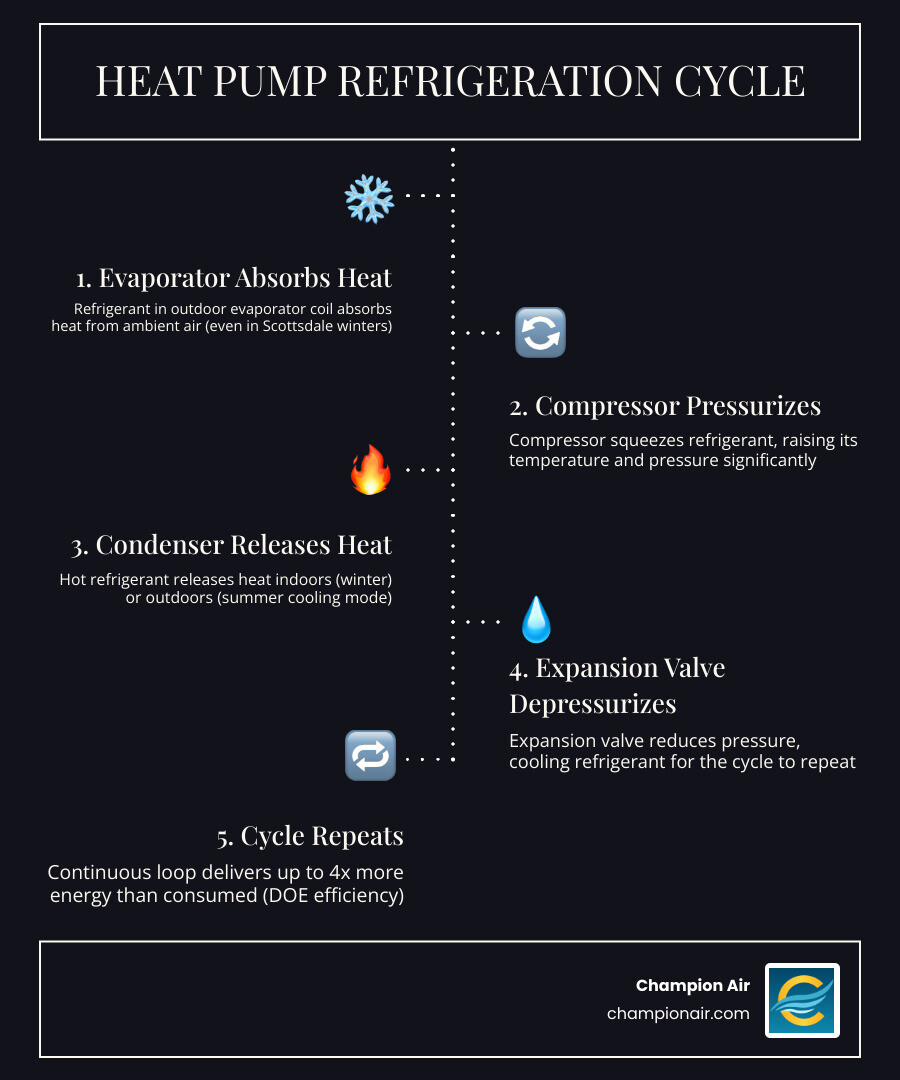
To understand why a heat pump is so effective, we first have to look at how it differs from a traditional furnace. Most heating systems create heat by burning fuel or using electric resistance coils. A heat pump, however, doesn't "create" heat; it simply moves it from one place to another.
The system relies on a specialized refrigeration cycle. In the summer, it acts exactly like a high-efficiency air conditioner, extracting heat from inside your home and pumping it outdoors. In the winter, it reverses the process, pulling ambient heat from the outdoor air and bringing it inside. According to the U.S. Department of Energy (DOE) Energy Efficiency guidelines, this process can deliver up to four times more energy than it consumes, making it incredibly cost-effective.
How Heat Pumps Work in the Desert Climate
You might wonder how a system can find "heat" outside during a chilly Scottsdale January night. Even when the air feels cold to us, there is still a significant amount of thermal energy present. The refrigerant in the system's evaporator coils is much colder than the outdoor air, allowing it to absorb heat even in temperatures well below freezing.
In Scottsdale, our winters are relatively mild compared to the Midwest or East Coast. This makes our region the perfect environment for heat pumps. They don't have to work nearly as hard as they would in a blizzard, allowing them to maintain peak efficiency throughout the entire heating season.
The Importance of Professional System Sizing
One of the most common mistakes in HVAC is assuming that "bigger is better." An oversized heat pump will cycle on and off too frequently, which wears out the compressor and fails to properly dehumidify the air. Conversely, an undersized unit will run constantly, struggling to keep up with the 115-degree heat.
When we perform a heat pump installation in Scottsdale, AZ, we conduct detailed load calculations. We look at:
- The total square footage of your home.
- The quality and thickness of your insulation.
- The orientation of your windows (South-facing windows in Arizona add significant heat!).
- Local climate data specific to the Sonoran Desert.
Choosing HomeAdvisor Scottsdale Heat Pump Experts or local professionals ensures your system is perfectly matched to your home's unique footprint.
Benefits of Upgrading to a Modern Heat Pump System
The primary reason residents are switching is the sheer versatility of the technology. Because a heat pump handles both cooling and heating, you only have one outdoor unit to maintain. This simplifies your home's mechanical systems and often results in a quieter outdoor environment. Modern units are designed with insulated compressor blankets and variable-speed fans that reduce the "clatter" often associated with older AC units.
Maximizing Efficiency with Professional Heat Pump Installation in Scottsdale, AZ
Efficiency is measured by two main ratings: SEER2 (for cooling) and HSPF2 (for heating). The higher the number, the less electricity the unit uses. Many modern heat pumps carry the ENERGY STAR certification, which means they meet strict efficiency criteria set by the EPA.
During a professional installation, we don't just swap the boxes. We optimize the entire system by:
- Verifying Ductwork Integrity: Even the best heat pump will underperform if 30% of its air is leaking into your attic.
- Calibrating Airflow: Ensuring the blower motor is set to the correct speed for your specific duct layout.
- Refrigerant Balancing: Precisely charging the system to ensure maximum heat transfer.
Improved Indoor Air Quality and Comfort
Beyond temperature, a new heat pump significantly improves the air you breathe. Older systems often struggle with "hot spots" or inconsistent temperatures between rooms. Modern variable-speed technology allows the heat pump to run at lower speeds for longer periods, providing a steady stream of filtered air rather than the "blast of cold, then silence" cycle of older units. This consistent operation is also better at removing dust and allergens, which is a major plus during Arizona's dust storm season.
Types of Heat Pump Systems for Arizona Homes
Not every home in Scottsdale is built the same. From historic homes in Old Town to sprawling estates in North Scottsdale, different properties require different solutions.
| System Type | Best For | Key Advantage |
|---|---|---|
| Air-Source Split System | Most standard residential homes | Uses existing ductwork; very reliable |
| Ductless Mini-Split | Home additions, garages, or homes without ducts | Zoned comfort; no energy loss through ducts |
| Packaged Units | Homes with roof-mounted HVAC or limited yard space | All components in one outdoor cabinet |
| Hybrid (Dual-Fuel) | Homes that want a gas furnace backup | Maximum reliability in extreme cold |
Choosing the Right Heat Pump Installation in Scottsdale, AZ for Your Property
For most Scottsdale residents, a central air-source unit is the go-to choice. However, ductless mini-splits are gaining massive popularity for "Arizona rooms," casitas, or workshops. These systems allow you to cool only the rooms you are using, which is the ultimate way to save on utility bills. We also integrate smart thermostats with every installation, allowing you to monitor your home's climate from your phone, whether you're at the office or vacationing in Flagstaff.
Ground-Source vs. Air-Source Options
While air-source units are the standard, some homeowners inquire about ground-source (geothermal) options. These systems use the stable temperature of the earth to exchange heat. While they are incredibly efficient and long-lasting, they are significantly more complex to install and require more space for underground loops. For the vast majority of Scottsdale residential applications, a high-efficiency air-source heat pump provides the best balance of performance and upfront value.
The Professional Installation and Maintenance Process
When you decide to move forward with us, the process is streamlined and stress-free. It begins with an initial consultation where we assess your current setup and discuss your comfort goals.
On the day of installation, our team arrives on time and treats your home with the "White Glove" respect it deserves. We don't just hook up the wires; we perform quality assurance testing to verify that the system is operating exactly as the manufacturer intended. This includes checking static pressure, testing the drain lines, and ensuring the thermostat is perfectly calibrated.
Ensuring Longevity and Performance
A heat pump is a workhorse—it runs almost all year long in Arizona. To ensure it lasts the full 15 to 20 years, bi-annual tune-ups are non-negotiable.
- Spring Maintenance: Focuses on the cooling side, cleaning coils, and checking refrigerant levels before the 110-degree days arrive.
- Fall Maintenance: Focuses on the heating components and electrical connections to ensure you're ready for the chilly desert nights. Regularly replacing your filters is the simplest thing you can do to prevent the system from overworking and failing prematurely.
Warranty Protection and Financing Options
We believe that high-quality home comfort should be accessible. That’s why we offer flexible payment plans that allow you to invest in a premium system without the stress of a large upfront payment. Furthermore, every installation is backed by robust manufacturer warranties on parts and our own workmanship guarantees. We stand by our work, ensuring that your investment is protected for years to come.
Frequently Asked Questions about Heat Pumps
Can a heat pump effectively cool a home during Scottsdale’s 110-degree summers?
Absolutely. This is the most common myth we hear. Modern heat pumps are essentially high-performance air conditioners with a reversing valve. They are engineered to handle extreme desert heat just as well as—and often better than—traditional AC units. As long as the system is professionally sized and installed, you will enjoy crisp, consistent cooling even in the middle of July.
How long does a typical heat pump system last in the Arizona desert?
In our climate, you can expect a well-maintained heat pump to last between 12 and 20 years. The biggest factors in longevity are the quality of the initial installation and how well you keep up with maintenance. Systems that are neglected or improperly sized tend to fail much closer to the 10-year mark due to the extreme stress of our summer seasons.
Is a heat pump more efficient than a traditional furnace and AC combo?
In Scottsdale, the answer is almost always yes. Because we have mild winters, a gas furnace is often "overkill." A heat pump uses electricity to move heat, which is far more efficient than burning gas to create it. Homeowners who switch often see a 20% to 40% reduction in their overall heating and cooling costs.
Conclusion
Switching to a heat pump isn't just about getting a new piece of equipment; it’s about choosing a more sustainable, efficient, and comfortable way to live in the desert. At Champion Air, we are proud to be Scottsdale's comfort experts, offering award-winning HVAC solutions tailored to the unique needs of Arizona homeowners.
Whether you need a 24/7 emergency repair or you're ready to explore the benefits of a new system, our team is here to help with same-day service and a commitment to excellence. Don't wait for your old system to fail in the middle of a heatwave. Schedule your heat pump installation in Scottsdale, AZ today and experience the difference that professional expertise makes.
About the Author
Champion Air
More Articles
View All PostsKeep Reading
Related Articles

Ready to Get Started?
Whether you need a repair, maintenance, or a new installation, our expert team is here to help.