How to Prevent AC Emergencies With Regular Maintenance
Champion Air
How to Prevent AC Emergencies With Regular Maintenance
Why Arizona Homeowners Can't Afford to Skip AC Maintenance
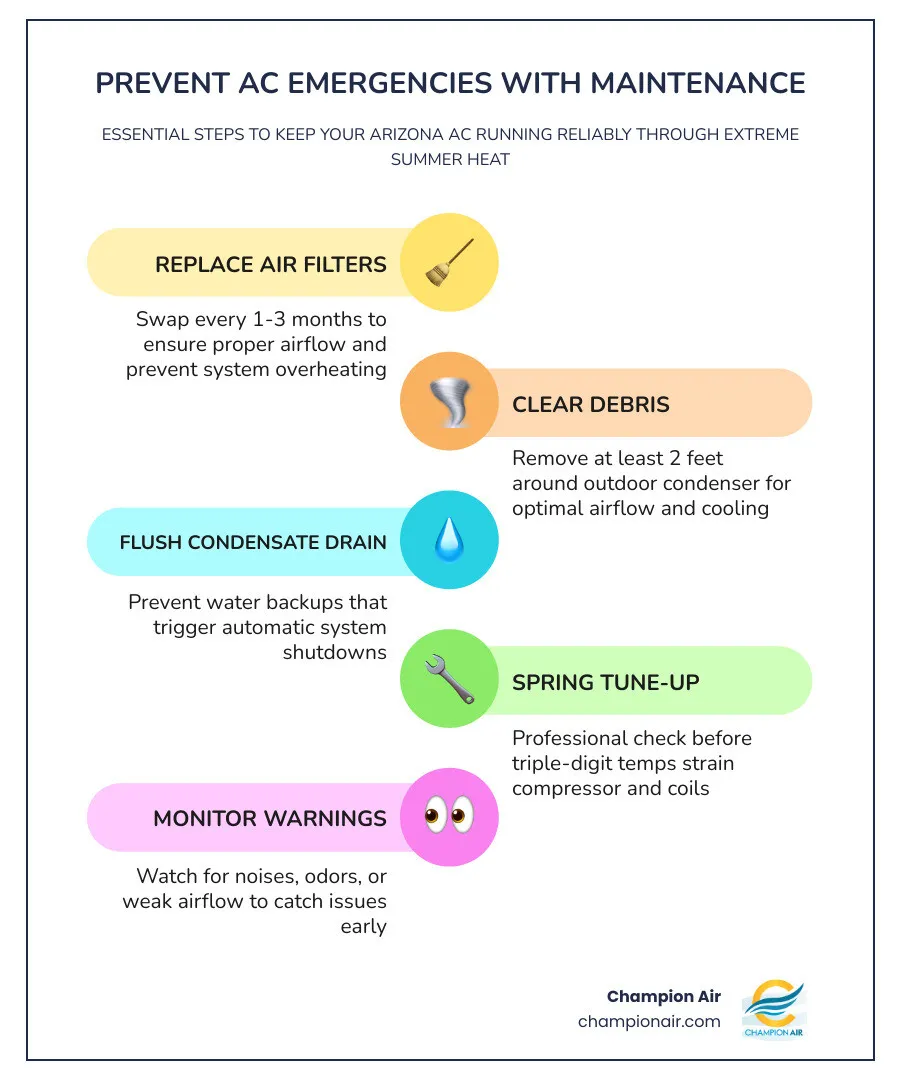
How to prevent AC emergencies with maintenance is simpler than most homeowners think — and it starts before the summer heat hits. Here's a quick overview of the most effective steps:
- Replace air filters every 1–3 months to prevent airflow restriction and system overheating
- Schedule a professional tune-up every spring before Arizona temperatures climb into triple digits
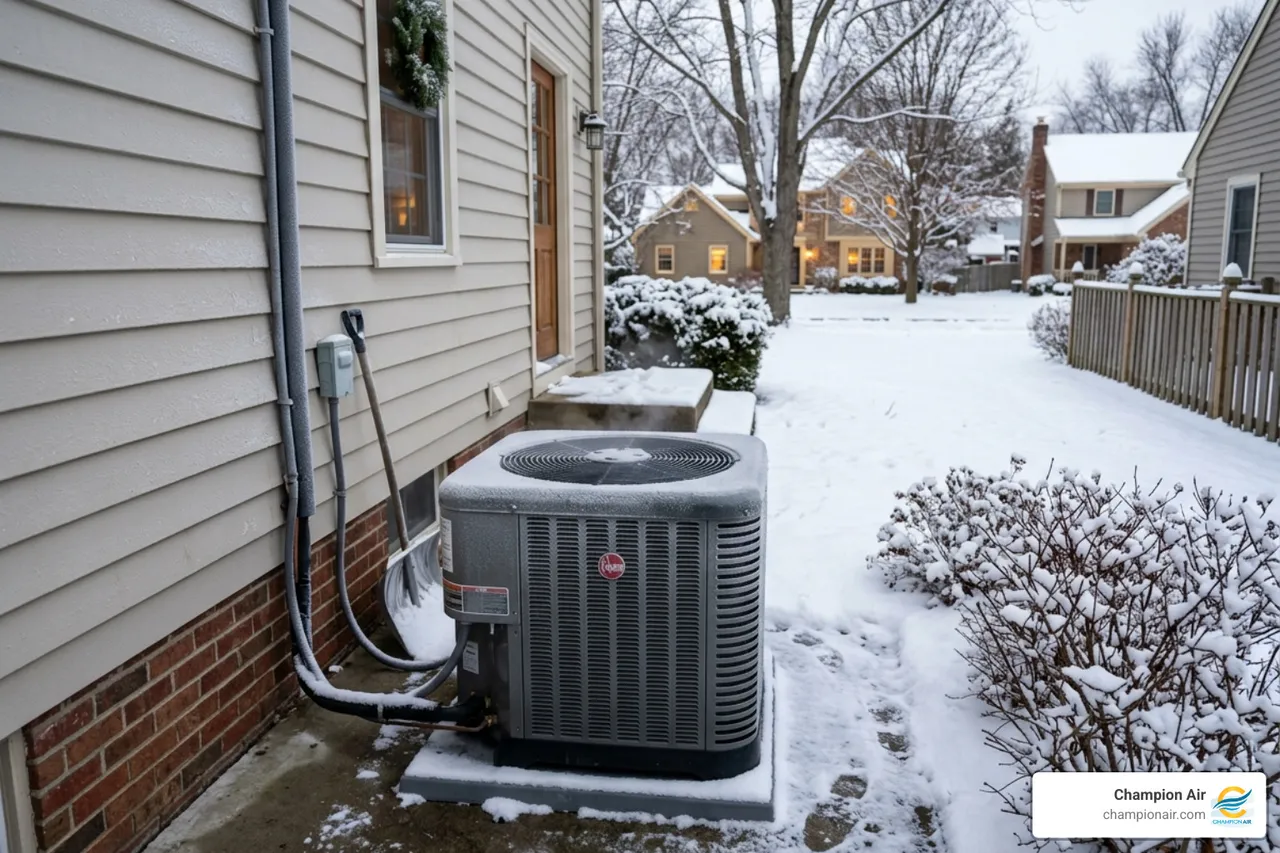
- Clear at least 2 feet of debris around the outdoor condenser unit to maintain proper airflow
- Flush the condensate drain line to prevent water backup and automatic system shutdowns
- Use a smart thermostat to avoid overloading the system during peak heat hours
- Watch for warning signs like unusual noises, rising energy bills, or warm air from vents
- Schedule a fall tune-up to keep the system ready for heating season
Think about this: 87% of homeowners have dealt with a home issue serious enough to call in a professional. For Arizona homeowners, an AC breakdown isn't just an inconvenience — it can become a genuine health and safety crisis when outdoor temperatures push past 110°F. Unlike most of the country, your cooling system doesn't get a break. It runs hard, runs long, and takes a beating from dust, monsoon debris, and relentless summer heat. Most AC emergencies don't come out of nowhere. They build quietly over months — a clogged filter here, a dirty coil there — until the system finally announces the problem by failing on the hottest day of the year.
The good news? The vast majority of these breakdowns are completely preventable with the right maintenance routine.
I'm Barry Farah, and as the leader of one of Arizona's largest Lennox family-owned residential HVAC replacement companies, I've spent years helping Phoenix, Scottsdale, and Mesa homeowners understand how to prevent AC emergencies with maintenance before they turn into costly, stressful crises. In this guide, I'll walk you through exactly what it takes to keep your system reliable all season long.
Why AC Systems Fail During Arizona’s Extreme Summer Heat
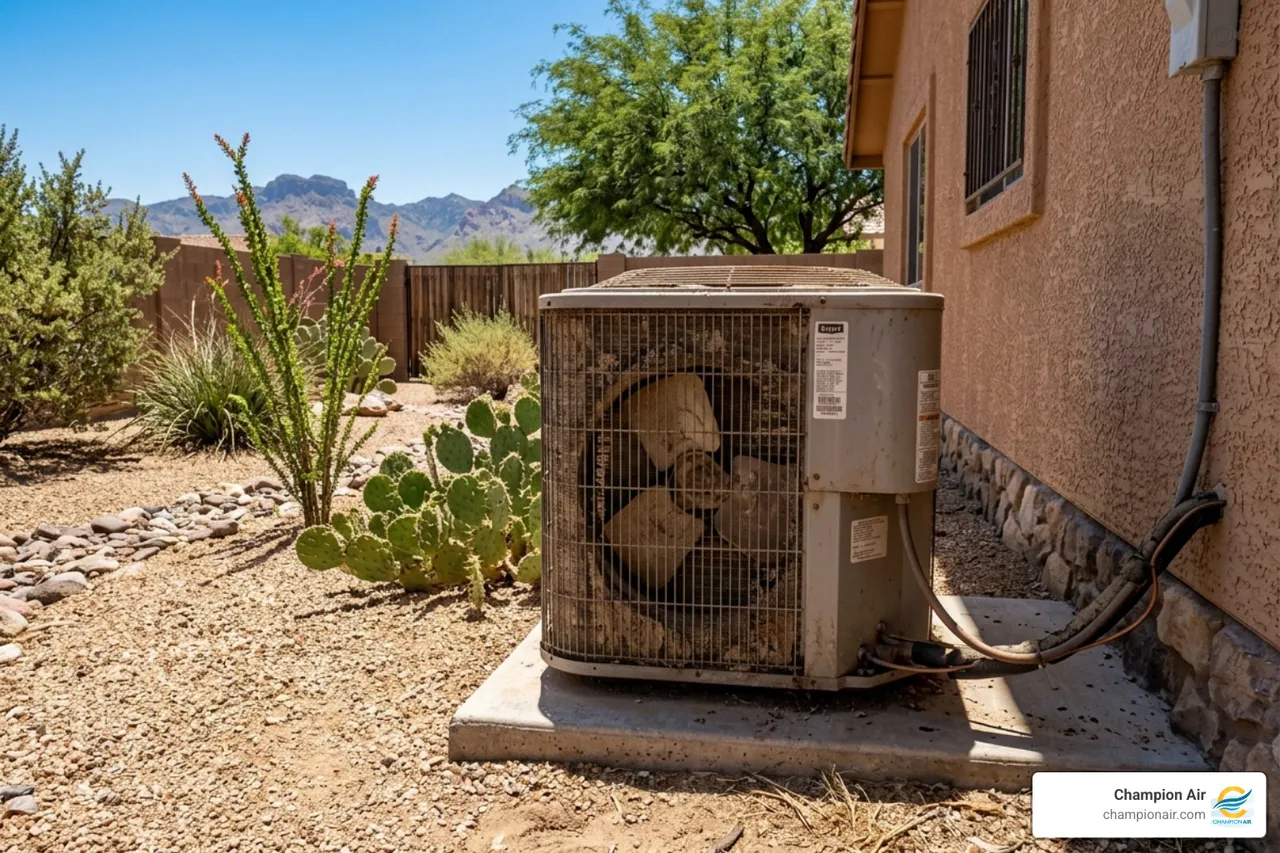
Living in the Valley of the Sun means our air conditioners work harder than almost anywhere else in the country. By May 2026, we’ve already seen how quickly the heat can ramp up, putting immense pressure on mechanical systems. But what exactly causes these units to give up when we need them most?
Triple-Digit Temperatures and Compressor Strain
The compressor is the heart of your AC system. When it’s 115°F in Phoenix or Scottsdale, the heat exchange process becomes significantly more difficult. If your system is already struggling with dirt or low refrigerant, the compressor has to work at increased power for longer cycles. This leads to overheating and, eventually, a total mechanical "heart attack."
The Impact of Monsoon Dust and Haboobs
Arizona's monsoon season, running from June through September, brings a unique threat: the haboob. These mile-high walls of dust can clog your outdoor condenser coils in minutes. When dust coats these coils, it acts as an insulator, preventing the unit from releasing heat. This forces the system to run non-stop, which is a primary cause of summer breakdowns.
Electrical Surges and Lightning Strikes
Monsoon storms aren't just about dust; they bring intense lightning. Electrical surges can fry sensitive control boards or blow capacitors—the small components that give your motors the "kick" they need to start. Without a healthy capacitor, your fan or compressor won't turn on, even if the rest of the system is fine.
Refrigerant Leaks
Many people believe refrigerant is "used up" like gasoline, but it actually stays in a closed loop. If levels are low, you have a leak. Low refrigerant puts incredible mechanical stress on the compressor and can cause the indoor evaporator coil to freeze into a block of ice. For a deeper dive into managing these high-stress situations, check out The Ultimate Phoenix Emergency Repair Service Handbook.
How to Prevent AC Emergencies With Maintenance
Preventative care is the single most effective way to ensure your home remains an oasis during a heatwave. We often view the AC as a "set it and forget it" appliance, but it’s actually a high-performance machine that requires regular tuning to stay efficient.
When you focus on how to prevent AC emergencies with maintenance, you aren't just avoiding a repair bill; you're extending the lifespan of your unit by up to five years. A well-maintained system uses less electricity, provides better indoor air quality, and maintains a consistent temperature without "short-cycling" (turning on and off too frequently).
The "Quiet Hero" Concept
Your HVAC system is a quiet hero, working behind the scenes to keep your family safe. However, neglect leads to a decline in performance that is often invisible until it’s too late. By investing in HVAC Maintenance Services, you catch the "small" issues—like a loose wire or a slightly worn contactor—before they escalate into a mid-July crisis. To learn more about why this matters specifically for high-end systems, read about the Importance of Maintenance for Your HVAC System.
Simple DIY Steps for How to Prevent AC Emergencies With Maintenance
While some tasks require a pro, there is plenty you can do to keep the "doctor" away.
- Filter Changes: This is the most important task. In Arizona, dust is a constant. Check your filters every 30 days. If you have pets or allergies, replace them monthly. A clogged filter blocks airflow, which can lead to a frozen coil or a failed blower motor.
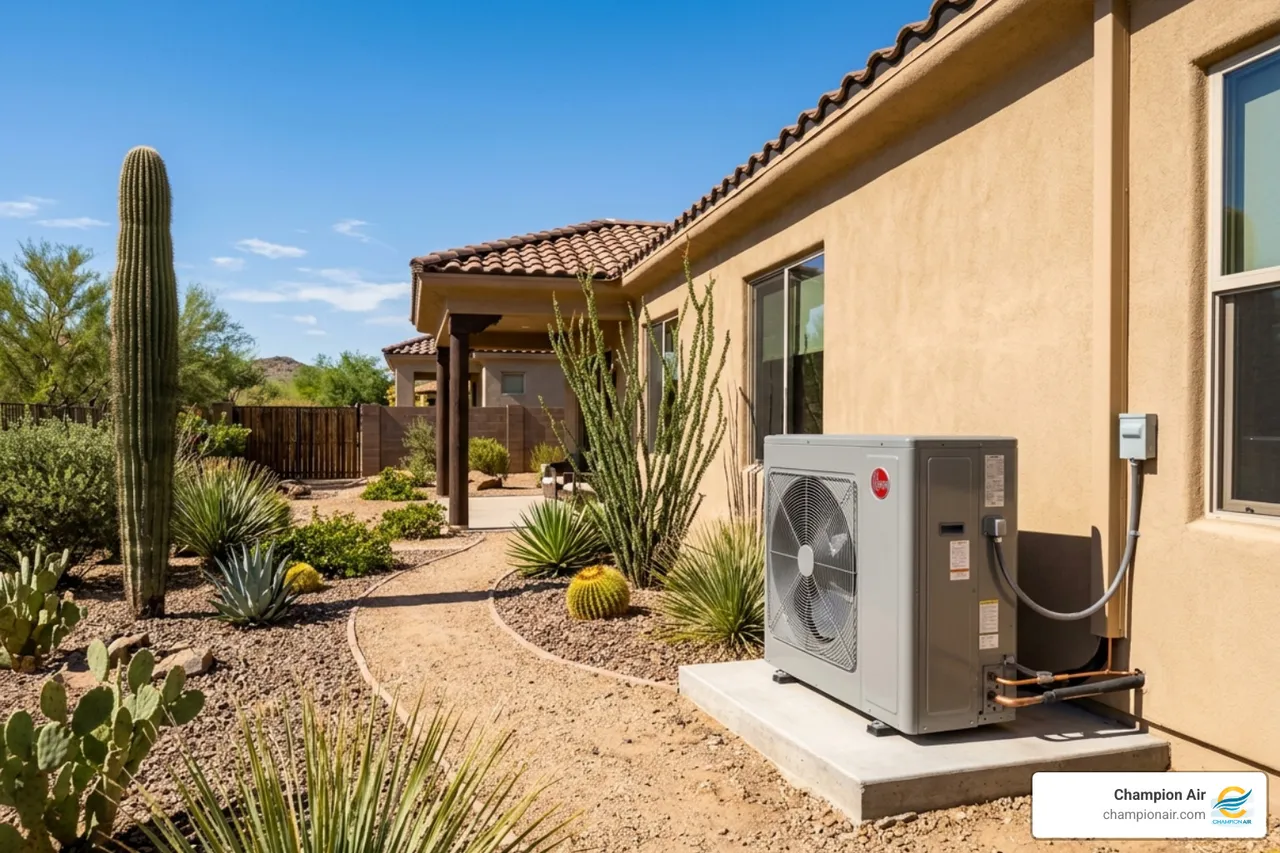
- Clear the Perimeter: Ensure there are at least two feet of clear space around your outdoor unit. Trim back bougainvillea, bushes, and remove any weeds or debris. Your unit needs to "breathe" to release heat.
- Condensate Drains: Your AC removes a massive amount of humidity (yes, even in the desert!). This water exits through a drain line. If this line clogs with algae or dust, it can back up and leak into your home or trigger a safety switch that shuts the system down. Flushing the line with a little vinegar every few months can help.
- Thermostat Batteries: It sounds simple, but many "emergencies" are just dead batteries in the thermostat. Replace them annually.
- Enroll in a Plan: Taking the guesswork out of maintenance is easy with Maintenance Plans. They ensure you never forget these critical checks.
Understanding the Reasons to Schedule a Spring AC Tune-Up is vital because it allows us to fix minor wear and tear before the extreme demand of June arrives.
Professional Tune-Ups: The Key to How to Prevent AC Emergencies With Maintenance
There are certain things a homeowner simply cannot do safely or legally, such as handling refrigerant or testing high-voltage electrical components.
| Maintenance Task | DIY Friendly? | Professional Required? | Why It Matters |
|---|---|---|---|
| Replace Air Filters | Yes | No | Prevents motor strain and frozen coils. |
| Clear Debris Around Unit | Yes | No | Ensures proper heat exhaustion. |
| Test Refrigerant Levels | No | Yes | EPA-regulated; prevents compressor failure. |
| Clean Condenser Coils | No | Yes | Restores cooling efficiency and lowers bills. |
| Inspect Electrical Connections | No | Yes | Prevents fire hazards and short circuits. |
| Lubricate Moving Parts | No | Yes | Reduces friction and mechanical wear. |
| Calibrate Thermostat | No | Yes | Ensures accurate temperature control. |
During a professional Seasonal HVAC Tune-Up Guide visit, we use specialized tools like "fin combs" to straighten delicate aluminum coils and diagnostic sensors to detect leaks that aren't visible to the naked eye. We also check the "static pressure" of your ductwork to ensure air is moving exactly as it should.
Recognizing the Warning Signs of an Impending Breakdown
Your air conditioner will usually try to tell you it’s struggling before it actually quits. Being proactive means listening to those warnings.
- Strange Noises: If you hear grinding, squealing, or loud banging, something is loose or a motor bearing is failing. Turn the system off and call us immediately.
- Odd Odors: A burning smell usually indicates an electrical issue, while a "dirty sock" smell suggests mold or bacteria buildup on the coils.
- Frequent Cycling: If your AC turns on and off every few minutes, it’s "short-cycling." This puts immense stress on the compressor and is often caused by a faulty sensor or an oversized unit.
- Weak Airflow: If you feel very little air coming out of the vents, you might have a clogged filter, a failing blower motor, or leaky ducts.
- Unexplained Bill Spikes: If your electricity bill jumps significantly without a change in weather, your system is likely working twice as hard to produce the same amount of cooling.
If you notice any of these 5 Signs You Need HVAC Service, don't wait. Addressing them now prevents a call for Emergency HVAC Services later.
Maximizing Efficiency with Smart Technology and Home Care
In 2026, technology makes how to prevent AC emergencies with maintenance easier than ever. Smart thermostats are no longer just about convenience; they are diagnostic tools. Many modern thermostats can alert you if the system is running longer than it should to reach a certain temperature, which is a classic early warning sign of a refrigerant leak.
The Home Envelope
Your AC doesn't work in a vacuum. If your home is "leaky," your AC has to work harder.
- Attic Insulation: Ensure your attic has proper R-value insulation. In Arizona, the heat in your attic can reach 150°F; good insulation keeps that heat from radiating into your living space.
- Weather Stripping: Seal gaps around doors and windows.
- Ceiling Fans: Use fans to create a "wind chill" effect. This allows you to raise your thermostat by about 4 degrees without losing comfort, reducing the load on your AC.
- Duct Sealing: Leaky ducts can waste up to 30% of your conditioned air. Sealing them ensures the air you pay to cool actually reaches your rooms.
For total peace of mind, our ChampionCare Maintenance Program combines professional oversight with the latest efficiency standards to keep your home running perfectly.
Frequently Asked Questions about Preventing AC Breakdowns
How often should I schedule professional AC maintenance?
In the Arizona climate, we strongly recommend bi-annual service. You should have a professional tune-up in the spring (to prepare for the cooling season) and another in the fall (to inspect the heating components). Because our systems run almost year-round, they accumulate twice the wear and tear of systems in milder climates. For more details, see our guide on How Often Should You Schedule Maintenance?.
Can a dirty air filter really cause a total system failure?
Yes, absolutely. It is the most common cause of avoidable breakdowns. A dirty filter restricts airflow, which causes the indoor evaporator coil to drop below freezing temperatures. When the coil freezes, it can cause liquid refrigerant to "slug" back into the compressor. Since liquid cannot be compressed, it can literally destroy the compressor—the most expensive part of your system.
What should I do if my AC stops working during a heatwave?
First, don't panic. Check your circuit breaker to see if a switch has tripped. Then, check your thermostat to ensure it has power and is set to "Cool" and "Auto." If those aren't the issues, turn the system off at the thermostat to prevent further damage and call for professional diagnostics. Running a struggling system can turn a simple capacitor repair into a total motor replacement.
Conclusion
At Champion Air, we understand that your home’s comfort isn't just a luxury—it's a necessity for your family's well-being. Whether you are in Scottsdale, Phoenix, or Mesa, our team is dedicated to providing the local expertise needed to survive Arizona’s harshest seasons.
By following the steps in this guide and focusing on how to prevent AC emergencies with maintenance, you can enjoy a cool, stress-free summer. From our comprehensive ChampionCare Maintenance Program to our 24/7 emergency support, we are here to ensure your "quiet hero" never stops working for you.
Don't wait for the next haboob or 110-degree day to find out if your system is ready. Schedule your maintenance or emergency service with us today and stay ahead of the heat!
About the Author
Champion Air
More Articles
View All Posts
Ready to Get Started?
Whether you need a repair, maintenance, or a new installation, our expert team is here to help.