Smart Savings: Finding Affordable Heat Pump Repair Deals in Phoenix, AZ
Champion Air
Why Finding Affordable Heat Pump Repair in Phoenix Matters
When your heat pump repair affordable in phoenix, az search becomes urgent, you're likely facing a comfort crisis in one of the nation's hottest cities. Here's what you need to know right away:
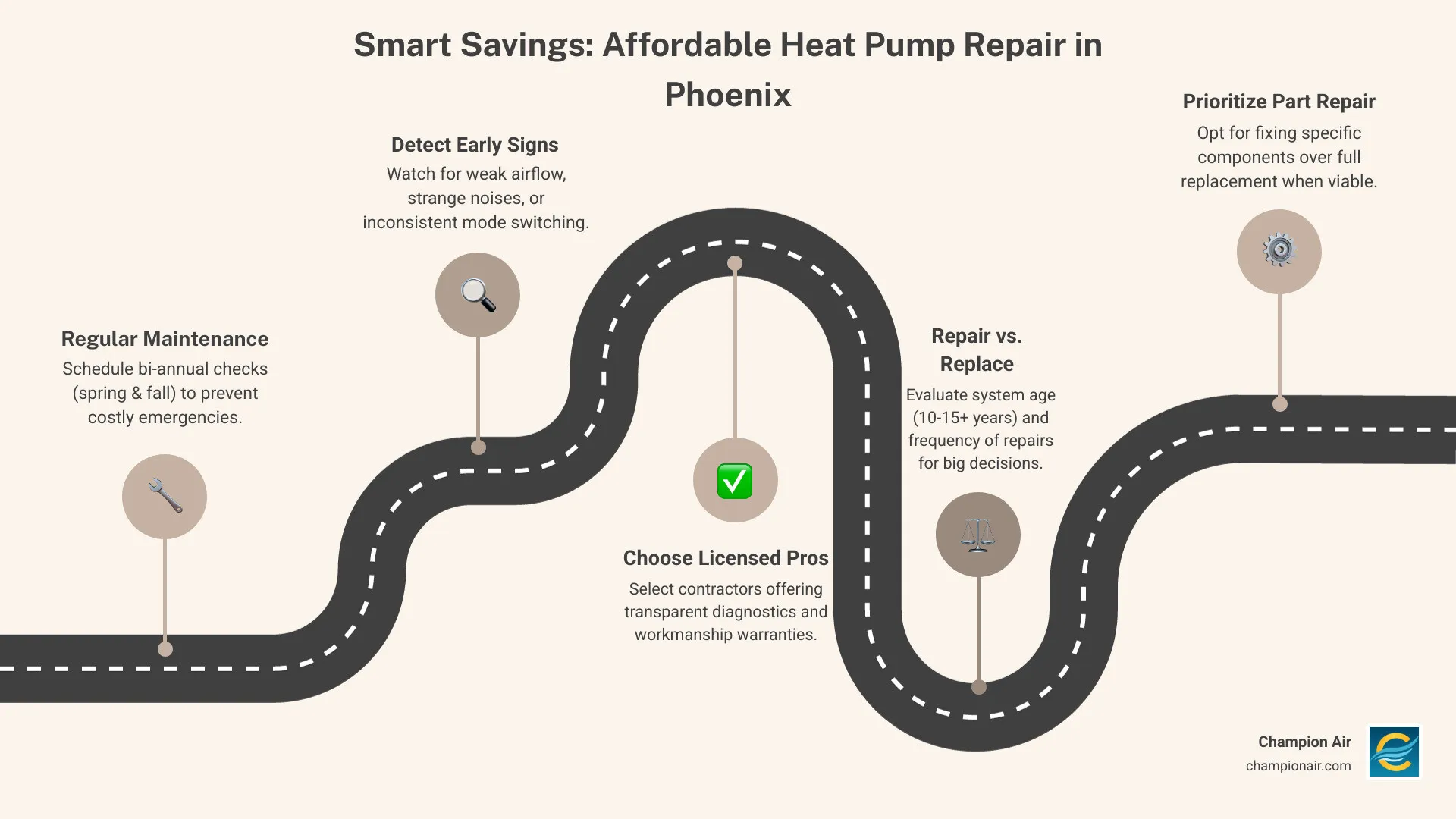
Quick Answer: Finding Affordable Heat Pump Repair in Phoenix
- Schedule maintenance twice yearly (spring and fall) to catch issues early and help avoid emergency breakdowns.
- Watch for warning signs like weak airflow, strange noises, or the system not switching between heating and cooling modes.
- Choose licensed contractors who offer transparent diagnostics, workmanship warranties, and same-day service.
- Ask about repair vs. replacement if your system is 10-15+ years old or requires frequent fixes.
- Prioritize part repair over replacement when appropriate to support long-term performance.
Phoenix homeowners face unique challenges when it comes to heat pump maintenance. Your system works year-round in extreme temperatures, placing constant stress on components like reversing valves, capacitors, and refrigerant lines. Unlike traditional furnace-and-AC setups, heat pumps handle both heating and cooling, which means any breakdown affects your comfort in every season. The good news? Professional diagnostics and timely repairs can extend your system's lifespan while keeping energy use manageable.
For comprehensive guidance on heat pump systems in Arizona's climate, visit our guide on Heat Pumps Perfect for Arizona, and when you're ready to restore your comfort, explore our Heat Pump Repair Phoenix services.
I'm Barry Farah, and I've spent decades building one of Arizona's most trusted HVAC companies alongside my son, specializing in helping Phoenix families find heat pump repair affordable in phoenix, az solutions that prioritize quality and long-term performance. My team and I believe smart savings come from choosing the right repair approach at the right time, not just the lowest bid.
Why Heat Pump Repair Affordable in Phoenix, AZ is Essential for Homeowners
Living in the desert means your heat pump works harder than systems in cooler climates. The intense Phoenix heat places constant strain on every part of your HVAC system, from electrical components to refrigerant levels. This continuous operation makes regular upkeep and timely repairs essential for maintaining comfort and supporting efficient operation.
Heat pumps are remarkable systems, providing both heating and cooling from a single unit. In our unique climate, they are a smart solution for year-round temperature control, offering an efficient way to keep your home comfortable. However, this dual functionality means they are always working, which can accelerate wear and tear. Problems that might be minor in other regions can escalate here due to extreme conditions.
For more insights into how these systems thrive in our local environment, check out our piece on Heat Pumps Perfect for Arizona.
When we talk about heat pump repair affordable in phoenix, az, we're not just talking about the immediate impact of a fix. We're considering the long-term effect on energy use, the lifespan of your system, and the overall comfort and safety of your home. Ignoring early signs of trouble can lead to more extensive repairs later, or even premature system replacement.
The Phoenix climate significantly impacts the need for and frequency of heat pump repairs and maintenance. The prolonged cooling season, with triple-digit temperatures, means your heat pump runs for extended periods, stressing components like the compressor, motors, and electrical connections. Heat stress can cause multiple components to fail close together, making early detection through maintenance crucial. Similarly, during our cooler months, the heating cycle also puts demands on the system. Proactive care helps mitigate these challenges, ensuring your heat pump operates efficiently and reliably.
Strategies for Heat Pump Repair Affordable in Phoenix, AZ
Finding truly affordable heat pump repair isn't about choosing the cheapest option; it's about making smart decisions that lead to long-term savings and reliable comfort. Our approach focuses on diagnostic accuracy, ensuring we identify the root cause of the problem, not just the symptoms. This precision helps avoid unnecessary repairs and supports a lasting result.
Factors that influence the scope and complexity of heat pump repair include:
- The specific part involved: Smaller components like a capacitor or contactor are often simpler to address than major components such as a compressor or a reversing valve.
- The complexity of the repair: Some issues require more labor and specialized troubleshooting.
- System accessibility: If your heat pump is in a difficult-to-reach location, it can increase the time required to complete the work.
- Warranty status: If parts or labor are still under warranty, this can reduce what you are responsible for.
- The choice of contractor: Licensed and experienced professionals provide accurate diagnoses and durable repairs, helping prevent repeat issues.
We prioritize repairing parts over replacing them when appropriate, without compromising performance. This commitment to part longevity helps your system get the most out of each component. Efficient repairs also contribute to stable energy consumption by preventing your system from working harder than it should.
For details on our dedicated service, visit our Heat Pump Repair Phoenix page.
Recognizing the Signs Your Heat Pump Needs Professional Attention
Your heat pump is a complex system, and like any intricate machinery, it will give you clues when something isn't quite right. Learning to recognize these common signs early can save you from more significant-and more expensive-problems down the road. Ignoring these indicators can lead to decreased efficiency, higher energy bills, and even complete system failure.
Common signs that your heat pump (or any HVAC system) needs professional repair include:
- Unusual Noises: Grinding, squealing, banging, hissing, or bubbling sounds are all red flags. While some operational noises are normal, new or loud sounds often indicate a mechanical problem, such as a failing motor, a refrigerant leak, or loose components.
- Weak or No Airflow: If you notice that air isn't blowing as strongly as it used to, or if there's no airflow at all, it could signal issues with the blower motor, clogged filters, or ductwork problems. Low airflow strains the system, making it work harder and increasing utility bills.
- Short Cycling: This occurs when your heat pump turns on and off too frequently without completing a full heating or cooling cycle. Short cycling is inefficient, wastes energy, and puts undue stress on the compressor, shortening its lifespan.
- Uneven Temperatures: If some rooms in your home are significantly warmer or cooler than others, your heat pump might be struggling to distribute air effectively, or there could be issues with ductwork or refrigerant levels.
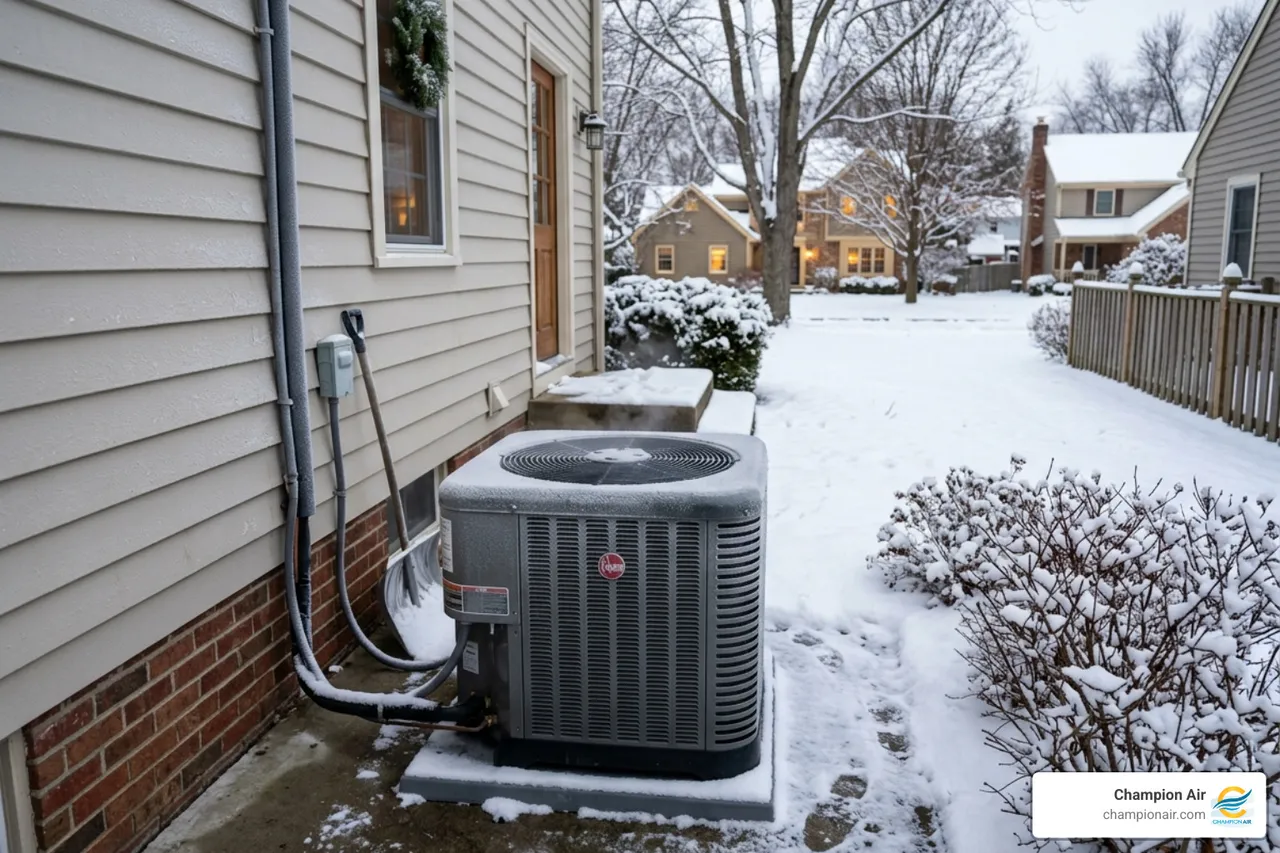
- Frozen Coils: Seeing ice buildup on your outdoor unit's coils (or even indoor evaporator coils) is a clear sign of a problem. This can be caused by low refrigerant, restricted airflow, or a malfunctioning fan.
- Sudden Increase in Energy Bills: If your utility bills spike without a corresponding increase in usage, your heat pump might be losing efficiency and working harder than it should to maintain comfort.
- Blowing Warm Air in Cooling Mode (or vice versa): This is a critical indicator that your heat pump is not effectively switching between heating and cooling functions, often pointing to a problem with the reversing valve or refrigerant.
- Puddles or Leaks Around the Unit: While some condensation is normal, excessive water pooling around your indoor or outdoor unit indicates a clogged drain line, a cracked component, or a refrigerant leak.
- A Non-Responsive Thermostat: If your thermostat isn't accurately reading temperatures or sending commands to your heat pump, it can lead to comfort issues and inefficient operation.
When you notice any of these signs, it's time to call in the professionals. Our expert technicians are trained to diagnose these issues accurately and provide effective solutions. Understanding how your heat pump operates can help you identify these problems. Dive deeper into the mechanics with our article on How Does a Lennox Heat Pump Work?.
Common Indicators for Heat Pump Repair Affordable in Phoenix, AZ
Delving deeper into the specific components and issues that frequently arise in Phoenix heat pumps can help you understand the professional repair process. When we provide heat pump repair affordable in phoenix, az, we often encounter and resolve these common problems:
- Reversing Valve Failure: This valve is crucial for switching your heat pump between heating and cooling modes. If it fails, your system might only produce warm air in cooling mode or cold air in heating mode. This issue often presents as your heat pump blowing warm air when it should be cooling, or cold air when it should be heating.
- Capacitor Failure: Capacitors are like batteries that give your heat pump's motors (compressor, fan) the initial jolt of electricity they need to start. A failing capacitor can prevent your unit from starting, cause it to hum loudly but not run, or lead to intermittent operation.
- Blower Motor Issues: The blower motor is responsible for circulating conditioned air throughout your home. Problems with this motor can lead to weak airflow, strange noises, or no air movement at all.
- Thermostat Calibration Problems: A miscalibrated or faulty thermostat can lead to inaccurate temperature readings, causing your heat pump to run unnecessarily or not at all, impacting your home's comfort and energy efficiency.
- Refrigerant Leaks: If your heat pump is low on refrigerant, it means there's a leak. Refrigerant should not be "used up." Low levels can lead to reduced cooling/heating capacity, frozen coils, and increased energy consumption. Locating and repairing the leak is essential before recharging the system.
- Clogged Drain Lines: The condensate drain line removes moisture from your indoor unit. If it becomes clogged with algae or debris, water can back up, potentially causing leaks, water damage, and even triggering safety shut-offs.
- Electrical Failures: Worn wiring, faulty relays, or tripped breakers can prevent your heat pump from operating correctly. These issues can be particularly dangerous and should always be addressed by a professional.
Addressing these issues promptly is key to ensuring heat pump repair affordable in phoenix, az. Delaying repairs can turn a relatively simple fix into a more complex and costly problem. For instance, a failing capacitor can eventually lead to compressor damage if not replaced in time.
Some homeowners also wonder about the noise levels of their systems. For a comparison, you might find our article on Are Heat Pumps Quieter Than Air Conditioners? interesting.
Maximizing Value: When to Repair vs. Replace Your System
Deciding whether to repair or replace your heat pump is a common dilemma, especially when faced with significant repair costs. It's a decision that balances immediate expenses against long-term savings and system reliability. We always provide honest recommendations, helping you maximize value from your investment.
Here's a table comparing factors for repair versus indicators for replacement:
| Repair Factors | Replacement Indicators |
|---|---|
| Minor component failure (e.g., capacitor, contactor) | System age (10-15+ years old) |
| System is still under warranty | Frequent breakdowns or multiple major repairs needed |
| Infrequent repairs | High energy bills despite repairs |
| Repair cost is less than 50% of replacement | Major component failure (e.g., compressor, coil) |
| System meets current efficiency standards | Uses outdated R-22 refrigerant |
| Desire to extend system life | Desire for improved efficiency and features |
The typical lifespan of a heat pump is generally between 10 to 15 years. As your system approaches this age, the frequency and cost of repairs tend to increase. If your heat pump is 10-15+ years old and requires a major component replacement (like a compressor) or is experiencing frequent breakdowns, replacement often becomes the more cost-effective choice in the long run.
Another significant factor is the type of refrigerant your system uses. Older heat pumps might still rely on R-22 refrigerant, which has been phased out due to environmental concerns. If your R-22 system develops a leak, the cost of sourcing and recharging with this refrigerant can be substantial, making replacement a more sensible option. Modern heat pumps use more environmentally friendly and efficient refrigerants.
While the initial investment in a new system is higher, a new, energy-efficient heat pump can significantly reduce your monthly utility bills and provide superior comfort. Plus, new installations come with fresh warranties, offering peace of mind. For those considering an upgrade, exploring our Heat Pump Installation Phoenix services can be a great first step.
Understanding the differences between various HVAC systems, including heat pumps and traditional air conditioners, can also inform your decision. Our video on Heat Pumps vs. Air Conditioners offers a helpful comparison.
We'll provide an honest assessment of your system's condition and the potential costs of repair versus replacement, empowering you to make the best decision for your home and budget.
The Role of Regular Maintenance in Reducing Long-Term Costs
If you want to ensure heat pump repair affordable in phoenix, az, regular maintenance is your best friend. Think of it as a routine check-up for your home's comfort system. Your heat pump needs consistent attention to perform optimally and help prevent avoidable breakdowns.
We recommend bi-annual service for your heat pump: once in the spring before the cooling season hits its peak, and again in the fall before the heating season. This proactive approach allows us to catch minor issues before they escalate into major breakdowns.
A standard heat pump tune-up or maintenance visit typically includes a comprehensive checklist of services designed to maximize efficiency and longevity:
- Refrigerant check: We inspect refrigerant levels and pressure to ensure they are within manufacturer specifications. Low refrigerant indicates a leak that needs to be addressed.
- Coil cleaning: Both the indoor evaporator coil and outdoor condenser coil are cleaned. Dirty coils restrict airflow and reduce heat transfer, forcing your system to work harder.
- Drain line flush: We clear the condensate drain line to help prevent clogs and potential water damage.
- Electrical testing: All electrical connections are tightened, and components like capacitors, relays, and wiring are inspected for wear. We also measure voltage and amperage.
- Filter check or replacement: We check and replace air filters as needed. Clean filters are crucial for good airflow and indoor air quality.
- Motor inspection: Blower motor and fan motor operations are checked, and lubricated if necessary, to support smooth and quiet performance.
- Thermostat calibration: We ensure your thermostat is accurately reading temperatures and communicating effectively with your heat pump.
- Ductwork inspection: We check for leaks or damage in your ductwork that could be leading to energy loss and uneven temperatures.
- Overall system performance test: We run the heat pump through its cycles to verify proper operation in both heating and cooling modes, checking temperature splits and overall operation.
Regular maintenance helps extend your heat pump's lifespan, keeps your energy use predictable, and ensures your system is ready to handle the extreme Phoenix climate. For a deeper dive into maintaining your system, check out our guide on Beat the Heat: Comprehensive Heat Pump Maintenance for Phoenix Homes.
Identifying Heat Pump Repair Affordable in Phoenix, AZ Opportunities Through Maintenance
Maintenance isn't just about preventing problems; it's also about identifying opportunities for heat pump repair affordable in phoenix, az. During routine tune-ups, our technicians look for issues early, often when they are still small and straightforward to correct.
For example, a technician might notice:
- A slightly worn capacitor: Replacing this small part early can help prevent larger electrical issues.
- Minor refrigerant leaks: Catching and repairing these early helps protect performance and supports efficient operation.
- Beginning signs of rust or corrosion: Addressing these with cleaning or protective measures can help prevent more extensive damage.
- Minor issues with airflow balancing: Adjusting dampers or cleaning vents can restore proper airflow and improve comfort.
- Worn fan belts or bearings: Replacing these can help prevent noise, reduced efficiency, and motor strain.
Many homeowners choose maintenance plans, which often include bi-annual tune-ups, priority scheduling, and discounts on parts or labor for covered repairs. These plans help your heat pump receive consistent care and reduce surprises.
Routine maintenance also supports manufacturer warranty requirements. Many warranties require proof of regular professional servicing. By investing in tune-ups, you're protecting your original investment and helping ensure that if a covered component fails under warranty, the process is straightforward.
For more on general AC tune-ups, which include many of the same benefits for your heat pump, visit our AC Tune-Up Phoenix page.
Choosing a Licensed Contractor for Reliable Results
When you're seeking heat pump repair affordable in phoenix, az, the choice of contractor is paramount. Opting for a licensed and experienced HVAC contractor isn't just a suggestion; it's a critical decision that impacts the quality, longevity, and overall cost-effectiveness of your repair. We cannot overstate the benefits of choosing professionals who know their craft inside and out.
The benefits of choosing a licensed and experienced HVAC contractor include:
- Expertise and Accuracy: Licensed technicians possess the training and knowledge to accurately diagnose complex heat pump issues. This precision means you get the right repair the first time, avoiding costly guesswork or unnecessary part replacements. They understand the intricacies of various heat pump brands and models.
- Quality Workmanship: Experienced contractors adhere to industry best practices and standards. They use brand-approved components and proven techniques, ensuring that repairs are durable and reliable. Reputable companies often provide generous workmanship warranties, sometimes up to 2 years, on heat pump repairs, giving you peace of mind.
- Safety Compliance: HVAC systems involve electrical components, refrigerants, and sometimes gas lines. Licensed professionals are trained to handle these safely, minimizing risks to your home and family.
- Transparent Practices: A reputable contractor will provide clear, upfront estimates for repairs, explaining the problem and the proposed solution in understandable terms. Many also offer a diagnostic fee that is waived if you proceed with the repair.
- Emergency Services: Life happens, and heat pumps can break down at the most inconvenient times. Many professional HVAC companies offer emergency heat pump repair services, often with same-day response, ensuring you're not left without comfort for long.
- Long-Term Savings: While an unlicensed or inexperienced technician might offer a lower initial price, their repairs often lead to recurring problems, inefficiency, or even further system damage. A quality repair from a licensed professional ensures your system runs efficiently, extending its lifespan and saving you money on energy bills and future repairs.
- Insurance and Bonding: Licensed contractors are typically insured and bonded, protecting you from liability in case of accidents or damage during the repair process.
Our team, for example, embodies these principles. We are committed to providing top-quality heat pump installation and repair, ensuring every job meets the highest standards. We believe our customers deserve nothing less than honest service, efficient solutions, and lasting comfort.
For more on finding trusted local experts, explore our Phoenix's HVAC Heroes: Expert Heat Pump Contractors Near You article.
We are also proud to be a veteran-owned business. Our veteran-owned values translate into a commitment to integrity, discipline, and exceptional service. We bring a dedication to excellence and a strong work ethic to every job, ensuring that our customers receive reliable and trustworthy heat pump services in Phoenix.
Keep an eye out for special offers or coupons that reputable companies might provide for heat pump repair or maintenance in Phoenix. These can offer additional savings while still ensuring you receive professional, high-quality service.
Frequently Asked Questions about Heat Pump Services
We understand you might have more questions about heat pump care in our unique Phoenix environment. Here are answers to some of the most common inquiries we receive:
How often should a heat pump be serviced in Phoenix?
Given the demanding Phoenix climate, we recommend servicing your heat pump twice a year. Ideally, schedule a tune-up in the spring before the intense cooling season and another in the fall to prepare for the heating season. This bi-annual approach helps ensure your system runs efficiently year-round, prevents unexpected breakdowns, and extends its overall lifespan.
What are the advantages of a heat pump in the Arizona climate?
Heat pumps are exceptionally well-suited for the Phoenix climate because they provide both efficient heating and cooling from a single unit. This 2-in-1 capability means you don't need separate furnace and AC systems. They operate by transferring heat rather than generating it, making them highly energy-efficient, especially during our milder winter months. This efficiency translates to lower energy bills and a reduced environmental footprint, offering reliable year-round comfort.
What is included in a standard heat pump maintenance visit?
A standard heat pump tune-up is comprehensive and designed to optimize your system's performance. It typically includes:
- Checking and cleaning both indoor and outdoor coils.
- Inspecting and flushing the condensate drain line.
- Testing refrigerant levels and pressures.
- Tightening electrical connections and measuring voltage/amperage.
- Inspecting and lubricating motors and moving parts.
- Checking and replacing air filters.
- Calibrating the thermostat for accuracy.
- Inspecting ductwork for leaks.
- Performing a full system performance test in both heating and cooling modes. This thorough check-up helps identify and address minor issues before they become major problems, ensuring your system runs smoothly and efficiently.
Conclusion
Finding heat pump repair affordable in phoenix, az is about making informed choices that prioritize long-term value and reliable comfort. From recognizing early warning signs and understanding when to repair versus replace, to investing in regular maintenance and choosing a licensed, experienced contractor, every step contributes to smart savings.
As a veteran-owned company, we at Champion Air bring a commitment to integrity and discipline to every service call. We understand the unique challenges our Phoenix climate poses for your heat pump, and our team is dedicated to providing expert diagnostics, quality repairs, and comprehensive maintenance solutions. We offer 24/7 emergency availability, ensuring that when your comfort is on the line, we're there to help, with no overtime charges.
Don't let a struggling heat pump compromise your home's comfort or your budget. Proactive care and professional expertise are your best allies in keeping your system running efficiently for years to come.
Schedule your heat pump repair affordable in phoenix, az today and experience the Champion Air difference.
About the Author
Champion Air
More Articles
View All Posts
Ready to Get Started?
Whether you need a repair, maintenance, or a new installation, our expert team is here to help.