

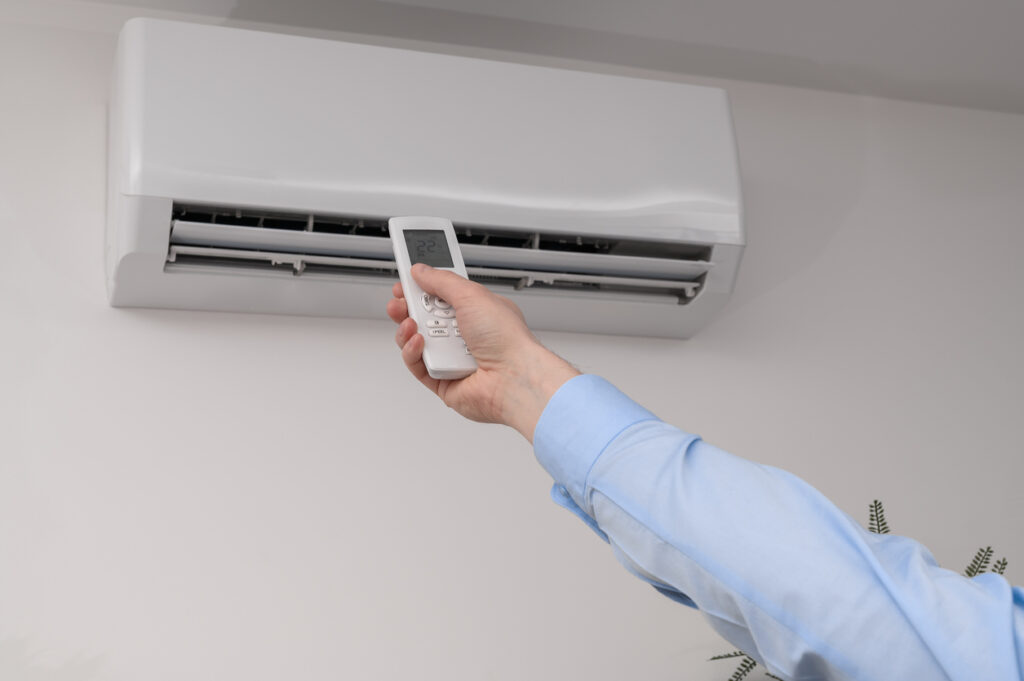


Mini-Split Installation & Replacement in Sun City Grand, AZ
Uneven Cooling and Rising Energy Bills Affecting Your Comfort?
Dealing with unbearable heat or unexpected cold snaps in Arizona requires a cooling solution that adapts quickly to temperature spikes without draining your bank account. Mini-split systems offer a tailored solution that keeps comfort high and utility costs low, specifically designed to handle the thermal load of homes in the Sun City Grand area. Contact us today to schedule your estimate or click here to view available financing options.
Homeowners facing inefficient central air or hot spots in specific rooms often find that traditional HVAC solutions lack the precision needed for our climate. By switching to or upgrading a ductless system, you regain control over your indoor environment.
- Optimize your energy use with high SEER-rated mini-splits designed for desert climates.
- Enjoy same-day installation options with transparent pricing and no hidden costs.
- Benefit from local rebate programs through Arizona Public Service to lower your initial outlay.
All installations are compliant with local codes, fully warrantied, and flexible financing is available to ensure your home remains comfortable year-round. Champion Air provides the technical expertise required to ensure your new system performs efficiently from day one.
What You Get with a Modern Ductless Installation
Choosing to install a ductless system is an investment in targeted comfort. Unlike central systems that must cool an entire building to change the temperature in one room, mini-splits allow for zone-specific control. When you schedule an installation in Sun City Grand, you are securing a system capable of handling the extreme highs of Arizona summers while providing efficient heating during cooler winter nights.
The scope of a standard installation includes the complete setup of the outdoor condenser unit and the indoor air handling units. These systems utilize inverter-driven compressors, which speed up or slow down based on the specific cooling needs of the room rather than shutting off completely. This technology prevents the energy spikes associated with the “hard starts” of traditional air conditioners, resulting in smoother operation and lower electricity bills.
Your installation package covers the necessary line sets, copper tubing that connects the indoor and outdoor units as well as the drainage lines required to remove condensation. High-quality insulation is applied to all refrigerant lines to prevent energy loss and protect the system from the intense outdoor heat. Furthermore, professional installation ensures that the system is properly charged with refrigerant, a critical step that dictates the longevity and efficiency of the unit.
- Variable Refrigerant Flow (VRF): The system adjusts the amount of refrigerant flowing to each indoor unit, ensuring precise temperature control.
- Multi-Zone Capabilities: Connect multiple indoor heads to a single outdoor condenser, allowing for different temperatures in different rooms.
- Advanced Filtration: Built-in filters capture dust, allergens, and particulates, improving indoor air quality immediately upon startup.
- Remote and Smart Control: Operate your system via handheld remotes or smartphone apps to adjust settings before you even arrive home.
The Installation and Replacement Process
A professional installation is streamlined to minimize disruption to your home while ensuring maximum system performance. The process differs significantly from central AC replacement because it does not require invasive ductwork modification. This makes it an ideal solution for older homes, room additions, or casitas where extending ductwork is impractical or impossible.
Site Assessment and Sizing
The process begins with a load calculation. In areas like Sun City Grand, simply guessing the size of the unit leads to inefficiency. An oversized unit will short-cycle, leading to humidity issues, while an undersized unit will run continuously without reaching the desired temperature. Technicians measure the square footage, assess insulation levels, and account for sun exposure to determine the exact BTU capacity required.
Mounting the Indoor Unit
Technicians locate the ideal spot on the wall for the indoor air handler. This location must provide balanced airflow throughout the room while remaining accessible for filter cleaning. A mounting plate is secured to the wall, ensuring the unit is level and stable.
Drilling and Connections
A small, three-inch hole is drilled through the exterior wall to feed the refrigerant lines, drain tube, and electrical cables. This is a non-invasive procedure that preserves the structural integrity and aesthetic of the home’s exterior. The hole is sealed tightly after the lines are passed through to prevent air leaks or pest intrusion.
Outdoor Unit Setup
The outdoor condenser is placed on a concrete pad or mounted to the side of the house using brackets, depending on the ground conditions and local codes. This unit is positioned to allow for adequate airflow, which is vital for heat dissipation during triple-digit temperatures.
System Vacuum and Testing
Once the lines are connected, a vacuum pump removes all moisture and air from the refrigerant lines. This step is non-negotiable; any moisture left in the lines can freeze or cause corrosion inside the compressor. After the vacuum process, the refrigerant is released, and the system is tested for cooling output, heating performance, and drainage flow.
When to Choose Replacement Over Repair
Deciding between repairing an aging unit and investing in a replacement is a calculation based on long-term value and immediate reliability. While mini-splits are durable, components eventually wear down due to the heavy workload required in Arizona.
Compressor Failure
The compressor is the heart of the system. If the compressor fails and the system is out of warranty, replacement is almost always the more financially sound decision. The cost of a new compressor and the labor to install it often approaches the cost of a brand-new outdoor unit, which would come with a fresh warranty.
Refrigerant Leaks
Older systems may use phased-out refrigerants. If your system develops a leak, sourcing the older refrigerant can be prohibitively expensive. Newer models use eco-friendly refrigerants that are more efficient and readily available. If a unit requires frequent recharging, it signals a degradation of the coils or connections that a simple patch cannot permanently fix.
Efficiency Degradation
Even if an older unit runs, it may have lost significant efficiency. A mini-split installed ten years ago likely has a SEER rating far below today’s standards. Upgrading to a modern unit can reduce energy consumption by a substantial margin, offsetting the monthly cost of financing a new system. Champion Air recommends evaluating your energy bills; a steady increase in usage without a change in habits often indicates the equipment is reaching the end of its lifecycle.
- Frequent Breakdowns: If you require service calls more than once a year, the system is becoming a liability.
- Noise Levels: Grinding or rattling noises indicate internal mechanical wear that usually precedes catastrophic failure.
- Inconsistent Temperatures: If the unit blows air that is not cold enough, the inverter board or sensors may be failing.
Local Considerations: Permits, Utilities, and Climate
Operating HVAC equipment in this region requires adherence to specific protocols. Arizona poses unique challenges regarding heat gain, and installations must meet strict local building codes to ensure safety and efficiency.
Permitting and HOA Compliance
In master-planned communities like Sun City Grand, exterior modifications often require adherence to Homeowners Association (HOA) guidelines regarding the placement of outdoor units and line sets. Professional installers ensure that line sets are covered with line hide (covers that match the home’s exterior) to meet aesthetic standards. Furthermore, electrical permits are typically required when installing new circuits for the mini-split system. Licensed contractors handle the permitting process to ensure the installation passes all municipal inspections.
Electrical Requirements
Mini-splits require a dedicated electrical circuit to operate safely. Older homes may require an upgrade to the electrical panel or the installation of a disconnect box near the outdoor unit. This ensures that the high-voltage demand of the AC does not overload the home’s existing wiring.
Utility Rebates
Local utility providers, such as Arizona Public Service (APS), frequently offer rebates for homeowners who upgrade to high-efficiency heat pumps and mini-splits. These incentives are designed to reduce the load on the electrical grid during peak summer hours. Systems must meet specific SEER and HSPF (Heating Seasonal Performance Factor) ratings to qualify. Documentation of the installation by a licensed contractor is required to claim these funds.
Sun Exposure and Unit Placement
The orientation of the outdoor unit matters. Placing a condenser in direct afternoon sunlight can reduce its efficiency as it struggles to reject heat. Whenever possible, units are installed in shaded areas or on the north/east side of the property. If shade is unavailable, specific high-ambient models designed to operate in temperatures above 115°F are selected.
Technical Advantages of Ductless Cooling
Ductless systems provide specific advantages that go beyond simple temperature control. By removing the ductwork from the equation, you eliminate the energy loss associated with leaks, holes, and poor connections in air ducts, which can account for up to 30% of energy consumption in central systems.
Improved Air Quality
Traditional ducts accumulate dust, pollen, and pet dander over time, circulating these contaminants every time the AC turns on. Mini-splits use multi-stage filtration directly at the source (the indoor head), ensuring the air you breathe is cleaner. The filters are easily accessible and washable, allowing homeowners to maintain high air quality without professional duct cleaning services.
Zoned Comfort Control
Different rooms have different thermal loads. A kitchen with running appliances requires more cooling than a guest bedroom. A sunroom with large windows gathers more heat than a hallway. Mini-splits allow you to set the temperature for each zone independently. You no longer have to super-cool the entire house just to make one room comfortable. This zoning capability is the primary driver of the energy savings homeowners experience after making the switch.
Quiet Operation
Modern mini-splits are whisper-quiet. The noisy compressor is located outside, and the indoor fans are engineered for silence. This makes them ideal for bedrooms, home offices, and media rooms where background noise is a disturbance.
Secure Your Comfort with Professional Installation
The efficiency and lifespan of a mini-split system are entirely dependent on the quality of the installation. Improper flaring of copper lines can lead to leaks, while incorrect electrical wiring can damage sensitive inverter boards. Relying on experienced professionals ensures that your investment is protected and that your home remains a sanctuary against the desert heat.
We focus on delivering precise load calculations, clean installations, and thorough system testing. Whether you are replacing an outdated unit or adding cooling to a new space, the goal is always consistent, reliable performance. Champion Air ensures that from the moment you power on your new system, you experience the difference in cooling power and energy efficiency.
Take control of your indoor climate today. Do not wait for the next heatwave to expose the weaknesses in your current system.
Schedule your consultation now for a comprehensive assessment and estimate.
Our Promotions
Empowered to Serve You with Exceptional Service
Expect more when
you choose
Champion Air Expect more when you
choose Champion Air
you choose
Champion Air Expect more when you
choose Champion Air
Fast & Reliable
Service
Service
24/7 Emergency
Service
Service
Discounts for Military,
Veterans & Seniors
Veterans & Seniors
Service for all AC
Brands, New & Old
Brands, New & Old
Background Checked,
Certified Professionals
Certified Professionals
Awarded & Reputable
Since 1982
Since 1982

Don’t Just Take
Our Word for it Don’t Just Take
Our Word for it
Our Word for it Don’t Just Take
Our Word for it
Google Reviews 4.9/5
Over 500 Reviews
More Reviews
Over 500 Reviews